Nascente do Rio Olho D'Água in Bonito and Jardim MS in Spring: Subaquatic Macrophyte Gardens & Complete Guide
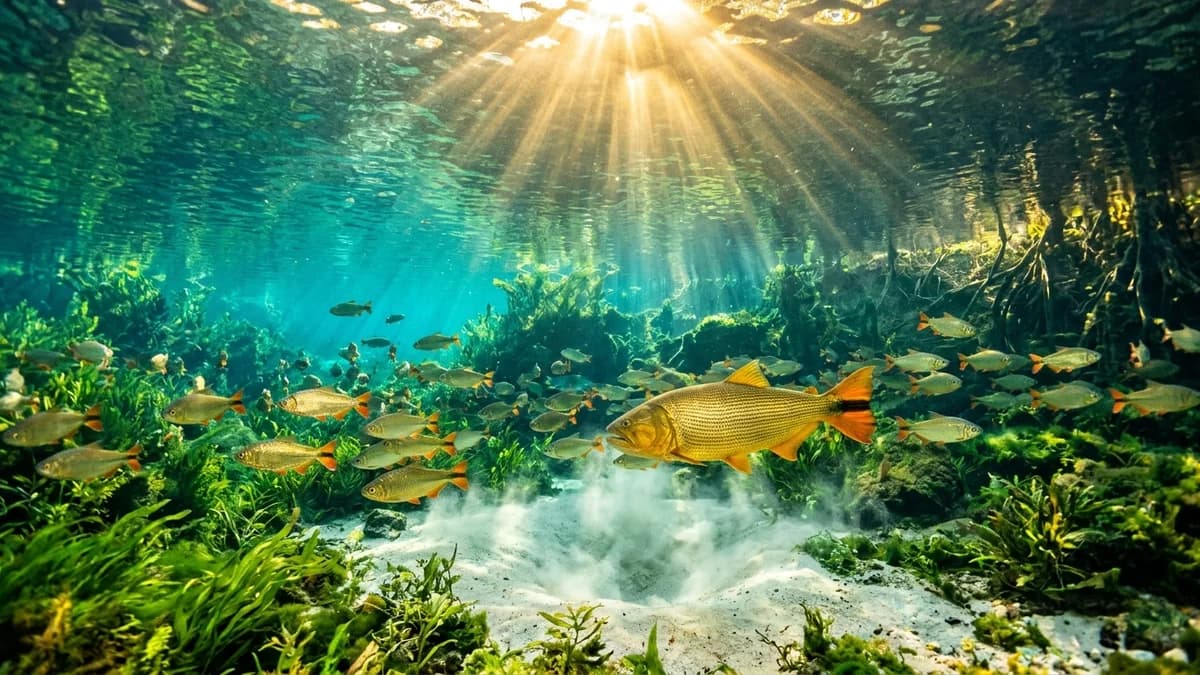
Few ecotourism experiences in Brazil match the feeling of weightless aquatic flight like snorkeling across the crystalline currents of Nascente do Rio Olho D'Água, situated in neighboring Jardim and fully integrated into Bonito's renowned ecotourism cluster in Mato Grosso do Sul, Brazil. During springtime, intense vertical sunlight pairs with blooming riparian canopies to generate astonishing underwater luminescence. Sunbeams pierce through translucent freshwater like golden shafts, illuminating vast green meadows of subaquatic macrophytes and calm schools of native fish thriving within this natural aquarium.
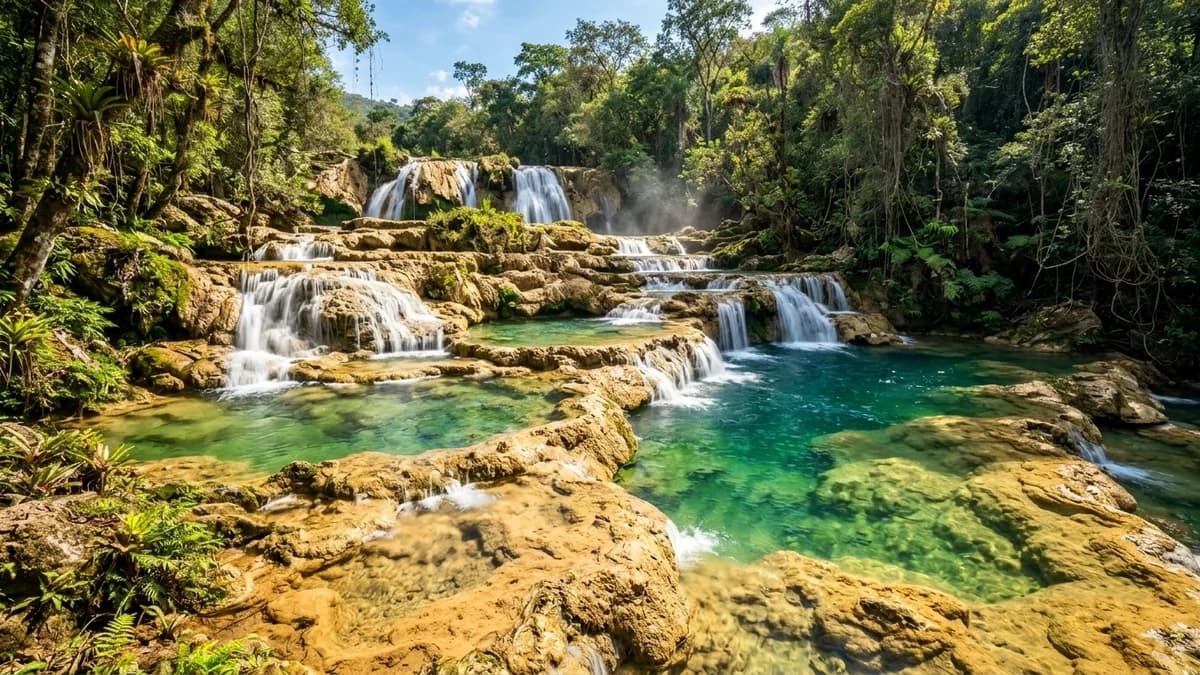
The springhead, protected within the private natural heritage reserve (RPPN) Fazenda Cabeceira do Prata and operated by Recanto Ecológico Rio da Prata, represents a sublime triumph of Serra da Bodoquena's karstic hydrogeology. Rainwater, after percolating through subterranean limestone strata belonging to the ancient Corumbá Group, resurfaces pure and saturated with dissolved calcium carbonate at a stable 22°C to 24°C (72°F–75°F) year-round. Upon emerging, the water's natural chemical balance settles suspended microparticles, yielding astonishing horizontal visibility that frequently exceeds 40 meters (130 feet).
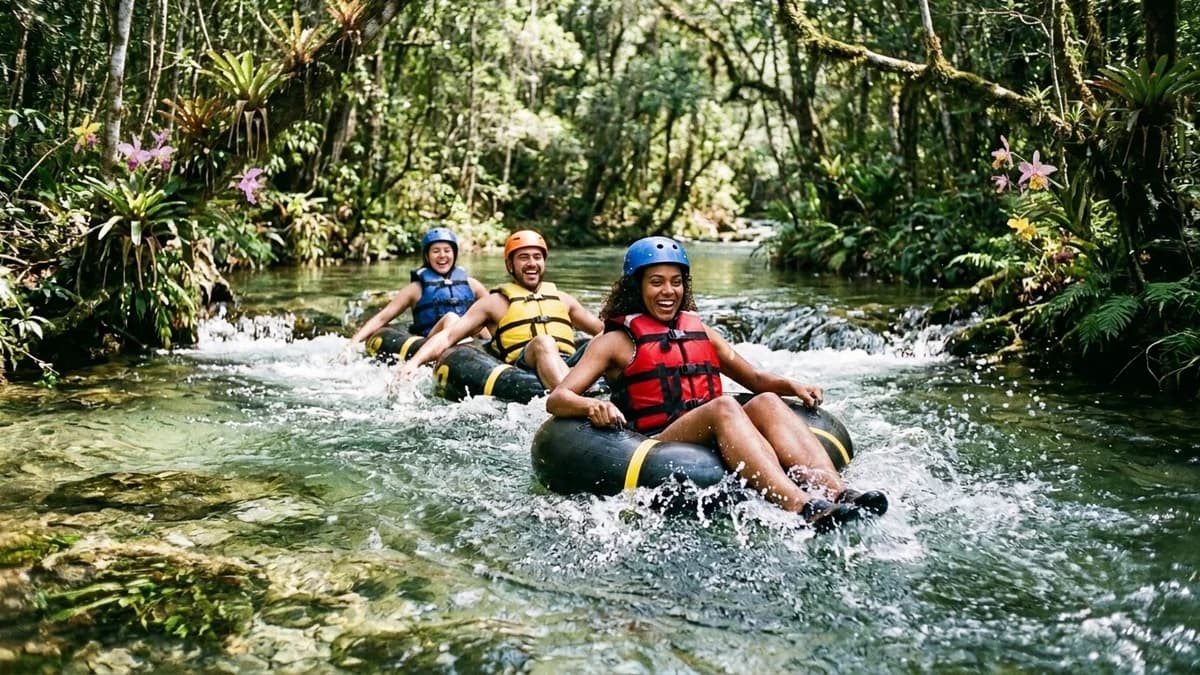
Floating down this springhead reveals a thriving, untouched subaquatic universe. As travelers drift along the gentle stream propelled only by mild river flow, gliding in contemplative silence above vibrant underwater meadows evokes genuine wonder. To enjoy this natural marvel in comfort, relying on a peaceful base in Bonito — such as Pousada Casa Azul — guarantees the privacy and rest essential for recharging after hours of freshwater exploration.
Karst Hydrogeology and the Famous Underwater Sand Springs: The Resurgence Phenomenon
The most captivating feature of Rio Olho D'Água's springhead is its active subterranean sand boil system. Across the riverbed, groundwater under hydrostatic pressure forces its way through karst fissures and bubbles up through thick layers of clean white quartz sand. This continuous hydrogeological phenomenon of karst resurgence creates the famous underwater sand boils: small subterranean craters where white grains dance continuously in ascending mineral flows without ever clouding the pristine stream around them.
Natural Calcium Carbonate Flocculation and Extreme Optical Clarity
The scientific explanation behind Rio da Prata and Rio Olho D'Água's optical transparency involves a natural chemical reaction. Artesian groundwater is saturated with dissolved calcium bicarbonate. Upon reaching the surface spring pool and contacting the atmosphere, lower carbon dioxide pressure causes solid calcite crystals to precipitate. This microscopic mineral precipitate acts as a natural flocculant, binding to microscopic organic debris and settling it immediately onto the white sand riverbed.
Monitored continuously by the Chico Mendes Institute for Biodiversity Conservation (ICMBio) and the Mato Grosso do Sul Environmental Institute (IMASUL), this hydrochemical process ensures that river waters maintain exceptional clarity and freedom from suspended silt. Snorkelers experience the sensation of floating through transparent air, observing fossilized limestone tree limbs and enjoying one of the clearest and best-preserved aquatic spectacles in South America.
Subaquatic Macrophyte Gardens and Macro Life: A Submerged Forest in Springtime
Along the gentle two-kilometer downstream float down Rio Olho D'Água toward its confluence with Rio da Prata, the subaquatic ecosystem is carpeted by dense meadows of higher aquatic plants known as aquatic macrophytes, such as stoneworts of the genus Chara and submerged vascular flora flourishing alongside aquatic mosses and algae. In spring, increased solar radiation fuels vigorous photosynthesis across these botanical species, forming lush green river carpets.
Gleaming Fish Schools: Silvery Piraputangas, Golden Dorados and Protected Biodiversity
Weaving among delicate macrophyte fronds, schools of freshwater fish native to the Paraguay River basin swim with peaceful grace. Piraputangas (Brycon hilarii), recognized by gleaming silvery scales and bright reddish tail fins reflecting sunlight, cruise close to snorkelers without showing fear. Sleek golden dorados (Salminus brasiliensis), apex river predators with brilliant yellow coats, navigate alongside fallen timber, accompanied by curimbatas (Prochilodus lineatus) grazing on clean river rocks.
Vigorous macrophyte photosynthesis generates thousands of oxygen microbubbles that detach from leaves and ascend toward the surface, weaving a shimmering curtain of light. Witnessing this thriving biodiversity within a protected reserve offers travelers a memorable lesson in the beauty and ecological importance of Brazil's Cerrado-Pantanal biomes.
Operational Safety, Visitor Quotas and the International ABNT NBR ISO 21101 Standard
Preserving this aquatic sanctuary while ensuring visitor wellbeing follows rigorous adventure safety standards. Snorkeling operations at RPPN Cabeceira do Prata comply strictly with the international ABNT NBR ISO 21101 standard (Adventure Tourism Safety Management Systems — Requirements). This framework governs risk mitigation, strict carrying capacity limits, and emergency rescue readiness.
Before entering the river, each group — limited to just nine guests per departure — undergoes a safety briefing and shallow-water orientation on a wooden dock, where a certified river guide fits masks, snorkels, high-buoyancy life jackets, and neoprene suits. At the confluence with Rio da Prata, an electric-motor support boat is stationed to guide guests comfortably along the final river stretch or provide rest for anyone preferring not to swim the remaining distance.
In line with ABNT NBR ISO 21101 standards and official site specifications (NBR ISO 21103), the excursion requires moderate physical effort, establishes a mandatory minimum age of 5 years (children under 12 accompanied by adults), and involves inherent residual risks — such as minor slips on damp wooden decks or forest trails, fresh water temperature between 22°C and 24°C (72°F–75°F), or muscle exertion while floating. The reserve notes physical accessibility limitations along natural riverbeds and restrictions for pregnancies beyond 24 weeks. These elements are managed by certified rescue guides, while neoprene suits and life jackets ensure thermal protection and buoyancy for visitors aged 5 and older.
Traveler's Practical Snorkeling Guide: Local Insider Tips for a Perfect Outing
To organize an unforgettable excursion to Nascente do Rio Olho D'Água at Recanto Ecológico Rio da Prata, recommendations refined by local ecotourism specialists across Bonito and Jardim provide invaluable guidance.
Mandatory Digital Voucher and Ideal Sun Angles
Access to this sanctuary in Jardim/MS is regulated by the official digital voucher system overseen by the Municipality of Bonito / SECTUR in coordination with the Municipality of Jardim. Because daily carrying capacity is restricted to protect water clarity and native fish populations, book your tour weeks in advance through registered local agencies.
The optimum time window for snorkeling spans between 10:00 AM and 1:00 PM, when spring sunlight hits the water at high vertical angles. During these hours, natural sunbeams piercing the riverbed reach peak intensity, creating optimal lighting for waterproof action cameras secured to floating wrist straps.
Environmental rules and reserve regulations monitored by IMASUL prohibit traditional sunscreens, tanning lotions, and chemical insect repellents before river entry, as chemical residues coat the water surface and harm sensitive macrophyte plants. Wear long-sleeved UV50+ rashguards instead and stay well-hydrated before departure.
Return to Comfort: The Peaceful Sanctuary of Pousada Casa Azul
Following a scenic 50-kilometer (30-mile) drive along paved countryside roads back to Bonito, tired travelers yearn for a serene, private retreat to unwind. This is where Pousada Casa Azul shines, welcoming couples and families into an intimate residential property surrounded by lush tropical gardens.
Main House and Romantic Chalet: Tailored Accommodations for Restful Nights
For families or travel groups of up to 6 guests, Casa Azul's Main House offers independence and generous room. The residence features 3 private air-conditioned bedrooms, a comfortable living room, and a full private kitchen outfitted with a stove, refrigerator, microwave oven, dining counter, cookware, and dish sets, allowing guests to prepare morning snacks and home-cooked dinners with fresh local ingredients.
For couples seeking romance and deep relaxation after outdoor excursions, the Romantic Chalet offers a cozy haven. The suite features a plush double bed, warm ambient lighting, an intimate dining area for two, and a private indoor whirlpool hydromassage tub overlooking tropical foliage. Soaking in warm whirlpool waters soothes tired muscles and renews physical vitality.
Pousada Casa Azul also provides a sparkling swimming pool in the garden, free private parking on site, and fast Wi-Fi throughout all rooms and grounds. Located along a peaceful residential street just minutes on foot from downtown Bonito's dining and artisan shops, guests can enjoy evening walks without needing car transport.
Official Sources and Technical References Consulted
1. Municipality of Jardim / SECTUR: Institutional disclosures for the host municipality of RPPN Fazenda Cabeceira do Prata and local ecotourism regulations.
2. Municipality of Bonito / SECTUR: Official sustainability guidelines, regional ecotourism framework, and integrated digital voucher operations.
3. Recanto Ecológico Rio da Prata: Official site technical datasheet (NBR ISO 21103), carrying capacity, safety protocols, and mandatory minimum age of 5 years.
4. Mato Grosso do Sul Environmental Institute (IMASUL): Water resource protection, karst watershed monitoring, and riparian zone preservation in MS.
5. Chico Mendes Institute for Biodiversity Conservation (ICMBio): Biodiversity conservation protocols, RPPN management plans, and native fish habitat protection.
6. Brazilian Association of Technical Standards (ABNT): ABNT NBR ISO 21101 Standard (Adventure Tourism Safety Management Systems — Operational Requirements and Risk Management).
7. Pousada Casa Azul: Official lodging specifications, Main House with 3 air-conditioned bedrooms and Romantic Chalet with private hydromassage tub in Bonito/MS.